
 By
By 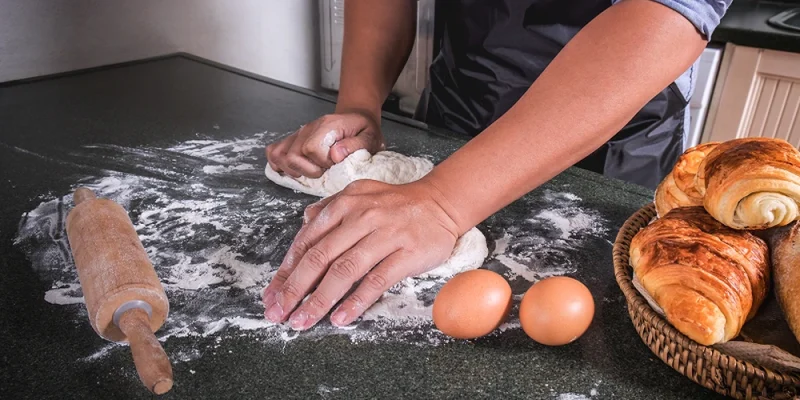
Key Takeaways
- Authentic French pastries rely on established techniques rather than appearance alone.
- Ingredients, lamination, fermentation, and baking precision all contribute to authenticity.
- Traditional recipes are often adapted slightly for local markets without changing core methods.
- Consumers looking for French pastries in Singapore can evaluate authenticity by looking beyond presentation and focusing on craftsmanship.
Introduction
French pastries are recognised around the world for their technical precision and consistent quality. While many bakeries produce croissants, éclairs, tarts, and mille-feuille, not every product follows the methods traditionally associated with French pastry-making. Authenticity is not determined by whether a pastry is made in France, but by how closely it follows established techniques, ingredient standards, and baking principles. That said, for consumers exploring French pastries in Singapore, understanding these characteristics makes it easier to distinguish pastries made using traditional methods from those adapted primarily for convenience or mass production.
Traditional Ingredients Form the Foundation
Authentic French pastries begin with carefully selected ingredients rather than complicated recipes. Butter is one of the defining components, particularly in laminated pastries such as croissants and pain au chocolat. High-quality butter contributes flavour while creating the distinct layers expected from these products. Flour selection is equally important because different protein levels influence texture, elasticity, and final structure. Fresh eggs, milk, cream, and natural vanilla are commonly used to produce balanced flavours instead of relying heavily on artificial additives or excessive sweetness. Although local ingredient substitutions may sometimes be necessary outside France, traditional pastry-making aims to preserve the original balance of flavour and texture rather than significantly altering the recipe.
Lamination Requires Precision and Consistency
One of the defining characteristics of many French pastries is lamination, a process that involves repeatedly folding butter into dough to create multiple thin layers. This technique demands strict control of temperature, timing, and handling to prevent the butter from melting prematurely or breaking through the dough. Proper lamination results in pastries that rise evenly, develop crisp outer layers, and maintain a light internal structure. Poor lamination often produces dense pastries with uneven textures and insufficient separation between layers. Authentic French baking focuses on mastering this technical process instead of relying on shortcuts that may reduce preparation time but compromise the finished product.
Fermentation and Dough Development Matter
Many authentic French pastries require controlled fermentation rather than immediate baking after mixing. Croissants, brioche, and similar products depend on properly developed dough that has rested for the appropriate length of time. During fermentation, yeast develops flavour while strengthening the dough structure and improving texture. Rushing this stage often produces pastries that appear acceptable visually but lack the depth of flavour associated with traditional French baking. Professional pastry kitchens carefully monitor temperature, humidity, and proofing duration to achieve consistent results. These controlled processes are an important reason why authentic French pastries differ from products manufactured with accelerated production methods.
Baking Techniques Preserve Texture and Balance
Authenticity extends beyond preparation to the baking process itself. Oven temperature, steam control, baking duration, and cooling procedures all influence the final quality of French pastries. Croissants should have crisp, flaky exteriors with airy interiors, while choux pastry should expand evenly without collapsing after baking. Fruit tarts should maintain crisp pastry shells despite moist fillings, and mille-feuille should retain distinct layers without becoming soggy. These outcomes depend on disciplined baking practices rather than decorative presentation. Although visual appeal remains important, authentic French pastry prioritises structural integrity and balanced texture alongside appearance.
Respecting Traditional Recipes While Adapting Locally
French pastry traditions have spread worldwide, leading many bakeries to adapt recipes according to local tastes, ingredient availability, and climate. These adaptations do not necessarily reduce authenticity when the core techniques remain unchanged. For example, fillings may include regional fruits or seasonal flavours while maintaining traditional pastry structures and preparation methods. Likewise, bakeries producing French pastries in Singapore may adjust sweetness levels or incorporate local ingredients to suit customer preferences without abandoning the technical standards that define French pastry-making. The distinction lies in preserving the craftsmanship behind the pastry rather than simply replicating its appearance.
Conclusion
Authentic French pastries are defined by technique, discipline, and respect for established baking principles rather than by branding or country of production. Traditional ingredients, precise lamination, proper fermentation, careful baking, and consistent craftsmanship all contribute to the qualities associated with French pastry. While recipes may evolve to suit different markets, maintaining these core practices preserves the identity of authentic French baking. That said, for consumers seeking French pastries in Singapore, recognising these characteristics provides a practical way to appreciate the craftsmanship behind every pastry rather than judging authenticity by appearance alone.
Visit Alice Boulangerie and discover traditional French pastries crafted with time-honoured techniques.




Comments