
 By
By 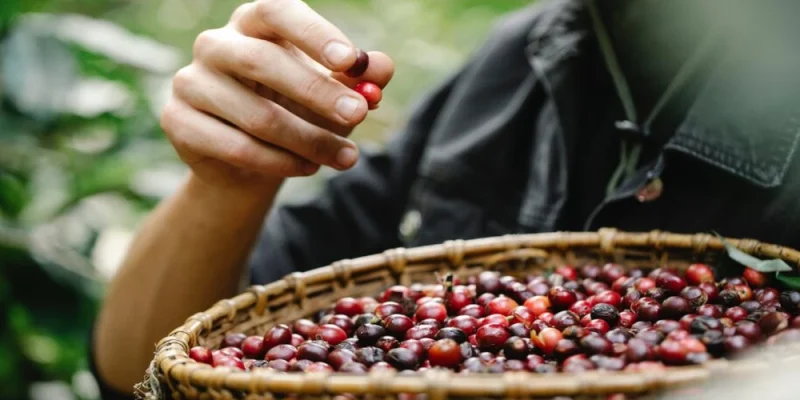
Many buyers assume specialty coffee is simply a marketing label attached to a higher price, but the term actually refers to a specific grading standard that most commercial coffee never meets. A specialty coffee bean is scored above 80 points on a 100-point scale by certified graders assessing defects, aroma and flavour, which is a measurable threshold rather than a subjective claim, and understanding it explains why the price and taste gap over ordinary commercial coffee is as large as it is.
The Grading System Behind the Term
The Specialty Coffee Association’s cupping protocol evaluates beans across categories including fragrance, acidity, body and aftertaste, with defects in even a small sample sharply reducing the final score. Commercial-grade coffee tolerates a certain number of defective beans per batch; specialty-grade coffee is sorted to near-zero defects, which alone accounts for much of the cleaner, more consistent flavour. Trained cuppers score blind, tasting multiple samples of the same lot to confirm the result is consistent rather than a one-off impression.
Where the Difference Starts: Growing Conditions
Altitude, soil composition and microclimate all affect bean density and the development of complex sugars during ripening, which is why specialty coffee tends to come from specific, well-documented farms rather than blended regional sources. Slower ripening at higher altitude generally produces denser beans with more pronounced acidity and flavour clarity than fast-grown, lower-altitude coffee. Farmers producing at this level typically hand-pick only ripe cherries, sometimes over multiple passes through the same plot.
Processing Methods and Their Effect on Flavour
Washed, natural and honey processing methods each interact differently with the coffee cherry’s fruit layer before drying, producing distinct flavour outcomes from otherwise identical beans. Specialty producers typically control this stage far more precisely than commercial operations, since inconsistent processing is one of the fastest ways to introduce the defects that would disqualify a batch from specialty grading. Fermentation time and drying conditions are monitored closely, since even small variations noticeably shift the final cup.
Traceability from Farm to Cup
Specialty coffee is generally traceable to a single farm, cooperative or even specific lot, in contrast to commercial coffee, which is often blended across regions and harvests to maintain a consistent baseline. This traceability allows roasters to tailor roast profiles to a bean’s specific characteristics rather than roasting to mask inconsistency, which is a meaningfully different approach to production. Buyers can often trace a bag back to the exact harvest season and processing station it came from.
Roasting Specialty Beans Differently
Because specialty coffee beans already carry distinct flavour characteristics, roasters tend to use lighter to medium profiles that preserve origin character rather than the darker roasts commonly used to standardise flavour across blended commercial beans. This is why specialty coffee often tastes noticeably different from one origin to another, while commercial blends taste comparatively uniform regardless of source.
How This Affects Price
Lower yields at higher altitude, more selective harvesting, stricter sorting and smaller batch sizes all increase production cost well before the bean reaches a roaster. Specialty coffee also commands a premium at auction and direct trade, since buyers are competing for limited, high-scoring lots rather than a commodity supply that can be sourced interchangeably from multiple regions. Limited lot sizes also mean a favourite specialty coffee may simply sell out and not return in future harvests.
Tasting the Difference in Practice
Specialty coffee typically shows more distinct acidity, a wider range of tasting notes such as fruit, floral or chocolate characteristics, and a cleaner finish without the bitterness that dominates lower-grade commercial roasts. These differences are most obvious in black coffee preparations, where there is nothing to mask flaws or, equally, nothing to mask genuine quality. Milk-based drinks flatten some of this nuance, so tasting notes are best evaluated without added milk or sugar first.
Storage and Freshness Still Matter
Even the highest-scoring specialty beans lose their distinguishing characteristics if stored poorly or used long after roasting, since the same aromatic compounds that create complexity also degrade fastest once exposed to air. Buying smaller quantities more frequently, rather than bulk stock that sits for months, preserves the qualities that justify the higher grade in the first place. A sealed, opaque container kept away from the stove or a sunny windowsill makes a noticeable difference over just a few weeks.
How Cupping Scores Are Communicated to Buyers
Reputable suppliers typically publish the cupping score alongside origin and processing details on the bag or product listing, giving buyers a way to compare lots objectively rather than relying on descriptive language alone. A score in the low 80s still qualifies as specialty but sits well below an 88 or above lot, and treating all specialty-labelled coffee as equivalent overlooks a meaningful quality range within the category itself.
Deciding Whether Specialty Coffee Is Worth It
For businesses serving coffee as part of their brand experience, the flavour and consistency gap generally justifies the cost. For high-volume, low-differentiation settings, commercial-grade coffee may remain the more practical choice. Understanding what a specialty coffee bean actually represents makes that decision a genuine comparison rather than a guess based on price alone.









Comments