
 By
By 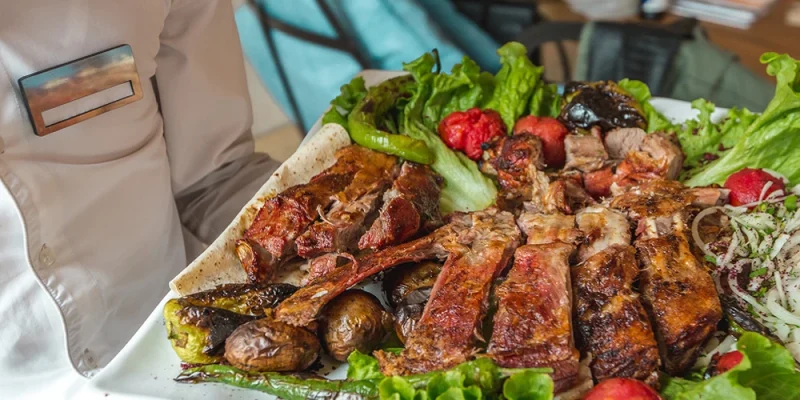
Key Takeaways
- A well-balanced meat platter benefits from a mix of bread, fresh salads, and complementary side dishes.
- Bread should add texture without overpowering the flavours of the meat.
- Fresh salads help balance rich meats by introducing lighter ingredients.
- Warm sides provide variety and make meaty platters suitable for group dining.
- Choosing complementary accompaniments creates a more complete and practical dining experience.
Introduction
A meat platter often serves as the centrepiece of a shared meal, bringing together different cuts, cooking styles, and flavours in one serving. While the selection of meats is important, the accompanying bread, salads, and side dishes also influence the overall dining experience. The right combinations add texture, freshness, and variety while helping to balance richer flavours. Whether the platter features grilled, roasted, smoked, or slow-cooked meats, carefully selected accompaniments allow diners to enjoy a more complete meal without overwhelming the main ingredients.
Selecting the Right Bread
Bread is one of the most versatile accompaniments for a meat-focused meal because it provides texture and helps absorb sauces and meat juices. Crusty sourdough, rustic country loaves, ciabatta, and freshly baked baguettes are common choices because they have firm structures that hold up well when paired with heavier meats. Soft dinner rolls can also work well for guests who prefer lighter textures or wish to create small sandwiches from different meat selections. Flatbreads and pita bread offer another practical option, especially when the platter includes grilled meats or Mediterranean-inspired flavours. Regardless of the style, the bread should remain neutral enough to complement the meats rather than dominate the overall flavour profile.
Fresh Salads That Balance Rich Flavours
Salads introduce freshness and acidity that contrast with the richness commonly found in grilled or roasted meats. Green salads made with lettuce, rocket, spinach, or mixed leaves provide a crisp base, while vegetables such as cucumber, cherry tomatoes, radishes, and capsicum contribute additional texture and colour. Dressings should remain simple, with vinaigrettes or citrus-based mixtures offering enough acidity to cleanse the palate between bites. Coleslaw prepared with a lighter dressing also pairs well with smoked and barbecued meats, while potato salad, pasta salad, and grain-based salads such as couscous or quinoa provide more substantial options. These lighter components prevent the meal from feeling overly heavy and encourage a balanced combination of flavours throughout the dining experience.
Warm Side Dishes That Add Variety
Warm accompaniments help transform meaty platters into complete meals suitable for family gatherings, celebrations, and business functions. Roasted vegetables, including carrots, pumpkin, potatoes, onions, and courgettes, offer natural sweetness that complements savoury meats. Mashed potatoes remain a dependable choice because of their smooth texture and ability to pair with a wide variety of sauces. Baked potatoes, seasoned rice, buttered corn, grilled mushrooms, and macaroni and cheese also provide filling options without competing directly with the meats. Including several warm sides allows guests to customise their plates according to their preferences while ensuring sufficient variety for different appetites.
Sauces, Pickles, and Condiments
Accompaniments extend beyond bread and vegetables. Sauces and condiments allow diners to adjust flavours according to personal taste while complementing different meat selections. Traditional barbecue sauce, mustard, horseradish, garlic aioli, chimichurri, and pepper sauce each pair well with particular cuts of meat. Pickled onions, cucumbers, jalapeños, and other pickled vegetables introduce acidity that cuts through richer foods and refreshes the palate. Fresh herbs such as parsley, coriander, and rosemary also add subtle flavour and visual appeal without overpowering the main components of the platter.
Creating a Balanced Serving Arrangement
Presentation contributes to both convenience and practicality. Bread should be placed around the edges of the platter for easy access, while salads and warm sides can be served in separate bowls to preserve their texture and temperature. Sauces should be portioned individually or placed in small serving dishes to avoid cross-contamination between flavours. Separating different accompaniments also helps guests build plates that match their individual preferences. This organised approach supports smoother serving, particularly during larger gatherings where multiple people are sharing the same selection of foods.
Conclusion
The success of a meat platter depends not only on the quality and variety of its meats but also on the selection of complementary bread, salads, and side dishes. Fresh bread adds texture, salads introduce balance, and warm accompaniments create a more complete meal. Combined with suitable sauces and thoughtful presentation, these elements enhance both flavour and convenience. By carefully selecting accompaniments, meaty platters become well-rounded dining options that suit casual meals, celebrations, and larger group occasions.
Visit Cheeselads and discover expertly curated meat platters crafted with quality cuts and fresh accompaniments.










Comments