
 By
By 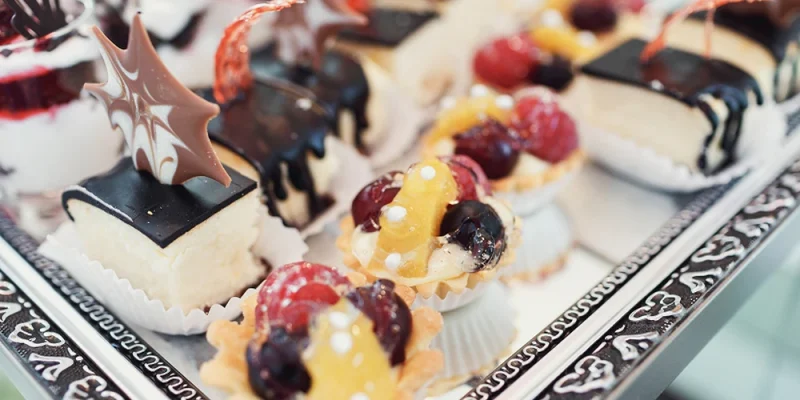
Key Highlights
- Accurate guest counts are the foundation of a successful catering plan to prevent waste or shortages.
- Selecting a variety of sweet and savoury options caters to diverse palates and dietary requirements.
- Timing is critical to ensure that items arrive fresh and are served at the peak of their quality.
- Communication with the bakery regarding delivery logistics prevents delays during high-stakes meetings.
- Proper storage solutions at the venue maintain the texture and appearance of the baked goods.
Introduction
Organising a corporate function involves balancing various logistical details, but few elements are as important as catering. High-quality food can set the tone for a meeting, whether it is an early morning briefing or a large-scale industry seminar. When you are tasked with feeding a large group, a bakery bulk order is often the most practical and appreciated choice. Pastries and baked goods are suited for corporate environments because they are easy to serve, require minimal cutlery, and offer a comforting touch to a professional setting. However, ensuring that dozens or hundreds of items arrive fresh and on time requires careful coordination. By following a structured planning process, you can guarantee that your next event is remembered for its excellent hospitality.
Step 1: Accurate Guest Assessment and Quantity Planning
The first step in any successful catering endeavour is determining exactly how much food you need. Overestimating leads to unnecessary waste and expense, while underestimating can result in an embarrassing shortage. When placing a bakery bulk order, consider the time of day and the nature of the event. For a breakfast meeting, you should typically budget for 1.5 to 2 items per person, as guests are more likely to sample multiple smaller pastries. For an afternoon tea, a single larger item or two miniature pieces per guest is usually sufficient. Always account for a small buffer of about 5% to 10% to accommodate last-minute attendees. Having a clear headcount early in the planning process allows the bakery to manage their production schedule effectively.
Step 2: Curating a Diverse and Inclusive Menu
A corporate audience is often diverse, with varying tastes and dietary restrictions. When you arrange a bulk pastry order, it is essential to provide a range of flavours and textures. A good mix should include classic sweet options like croissants and danishes, alongside savoury choices such as spinach puffs or ham and cheese rolls. Furthermore, you must consider dietary needs. Including a selection of vegetarian or vegan pastries ensures that all your colleagues feel included in the meal. Labelling these items clearly at the event is just as important as ordering them. A well-rounded menu shows that the organisers have been thoughtful about the guest experience, which reflects positively on the company as a whole.
Step 3: Prioritising Freshness and Optimal Timing
The appeal of baked goods lies almost entirely in their freshness. A croissant that has sat in a box for six hours loses its crispness, and a muffin can become dry. To avoid this, you must coordinate the timing of your bakery bulk order with precision. Aim for a delivery window that is approximately 30 to 45 minutes before you plan to serve the food. This allows enough time for setup and any minor logistical delays without leaving the pastries exposed for too long. If your event spans several hours, consider split deliveries. Having fresh items arrive in batches ensures that the afternoon attendees receive the same high-quality experience as those who arrived in the morning.
Step 4: Confirming Logistics and Delivery Details
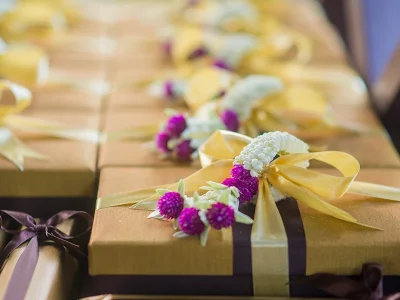
Large-scale orders require more than just a simple drop-off. You must communicate the specific logistics of your venue to the bakery well in advance. Does the delivery driver need a security pass? Is there a specific loading bay or a service lift they should use? Providing these details prevents the delivery from getting stuck at the front desk or a security gate while your meeting is starting. When placing a bulk pastry order, ask the supplier about their packaging. For corporate settings, items should ideally arrive in sturdy, presentable boxes that are easy to stack and transport. Clear communication regarding the exact room number and a contact phone number for the on-site coordinator is essential for a smooth handover.
Step 5: Venue Preparation and Presentation
Once the pastries arrive, how they are displayed can significantly impact the guest’s perception. Even the finest bakery items can look unappealing if left in a cardboard shipping box. Arrange for appropriate serving platters, napkins, and tongs to be ready before the delivery arrives. If the venue is warm, ensure the pastries are kept in a cool, shaded area to prevent glazes from melting or savoury fillings from spoiling. For large functions, setting up multiple serving stations can help prevent bottlenecks and ensure that everyone can access the food quickly during short breaks. Good presentation complements the quality of the bakery bulk order and reinforces the professional atmosphere of the corporate function.
Conclusion
A successful bakery order for a corporate event is the result of clear communication and careful timing. By focusing on guest needs, menu diversity, and logistical precision, you can provide a catering experience that is both efficient and delightful. Baked goods offer a versatile solution for any business gathering, providing a touch of artisanal quality that guests truly appreciate. When the planning is handled correctly, the food becomes a seamless part of the day, allowing the focus to remain on the business at hand while everyone enjoys a fresh and flavourful break.
Contact Swee Heng Corporate and browse our professional catering selections.








Comments