 By
By 
The Evolution of Holiday and Bakery Traditions
I’ve always been fascinated by the rich tapestry of nationwide gifting and bakery traditions. There’s a universal joy in sharing sweet treats, whether it’s a holiday cookie exchange or a thoughtful care package sent across miles. These delicious customs do more than just satisfy a craving; they forge emotional connections, preserve heritage, and strengthen communities.
What I find particularly compelling is how these beloved traditions have also become a cornerstone for charitable giving. For countless nonprofits, cookie sales offer a uniquely engaging and effective way to raise vital funds. It’s a method that combines the warmth of shared treats with the power of collective action.
I will guide you through the evolution of these bakery traditions, explore their enduring impact on community bonding, and examine how modern approaches to cookie gifting are transforming fundraising for nonprofits. We’ll uncover how organizations are leveraging everything from classic bake sales to sophisticated online platforms to achieve their goals. Understanding these Nonprofit cookie fundraising traditions can unlock significant potential for your cause.
The act of baking and sharing has been intertwined with human heritage for centuries, especially during seasonal celebrations. From ancient harvest festivals to modern-day holidays, culinary traditions, particularly those involving sweet treats, have served as powerful conduits for community bonding and shared memories. Cookies, with their diverse forms and flavors, hold a special place in this history, often evoking a deep sense of nostalgia and comfort. They are not merely food; they are symbols of warmth, generosity, and togetherness, passed down through generations.
How Classic Bakery Traditions Connect Communities
The simple cookie has an extraordinary power to bring people together. I’ve observed that local gatherings, whether they are school fairs, church bake sales, or neighborhood potlucks, often feature an abundance of homemade or artisanal cookies. These events create a unique neighborhood connection, fostering a sense of belonging among participants. Generational recipes, often handwritten and cherished, are frequently shared and recreated, adding layers of sweet nostalgia to every bite. The shared experience of enjoying these treats helps to solidify community ties, turning simple transactions into meaningful interactions.
Historically, the concept of the community bake sale has deep roots, particularly in North America. During the American Civil War, ladies’ aid societies organized massive sanitary fairs where home-baked goods, preserves, and hand-crafted items were sold to raise funds for medical supplies and soldier relief. This established a powerful precedent: the kitchen table could serve as a launchpad for national philanthropy. In the decades that followed, churches, schools, and civic organizations adopted this model, publishing community cookbooks and hosting regular bake sales to fund local infrastructure, libraries, and scholarships. These events did more than raise capital; they established a shared culinary identity within towns and neighborhoods, passing down cherished recipes from one generation to the next.
Sweetening Support: Fundraising and Bakery Traditions
Beyond their role in celebration, cookies have long been a staple in charitable causes. For nonprofits, schools, sports teams, and various other community groups, cookie sales have evolved into one of the most effective and universally appealing fundraising strategies. The innate desire for a delicious treat, combined with the opportunity to support a worthy cause, creates a powerful incentive for donors. This approach transforms fundraising into a hassle-free event, often generating enthusiastic participation from both sellers and buyers. For instance, many organizations, from K-12 schools to youth sports teams, rely on these sweet initiatives to fund critical programs and equipment. Non-profit organizations like animal shelters and health organizations also find cookie sales an accessible and effective way to raise funds, as highlighted by companies like Great American Cookies that partner with a wide array of charitable groups.
The landscape of cookie fundraising offers diverse programs tailored to various needs. Nonprofits can choose from options like selling pre-portioned cookie dough tubs, ready-to-bake cookies, or engaging in Girl Scout-style direct sales. Each model presents unique advantages, and the choice often depends on the group’s capacity and goals. For example, many groups find success with creative cookie fundraiser ideas for schools and churches, leveraging their existing networks for maximum impact.
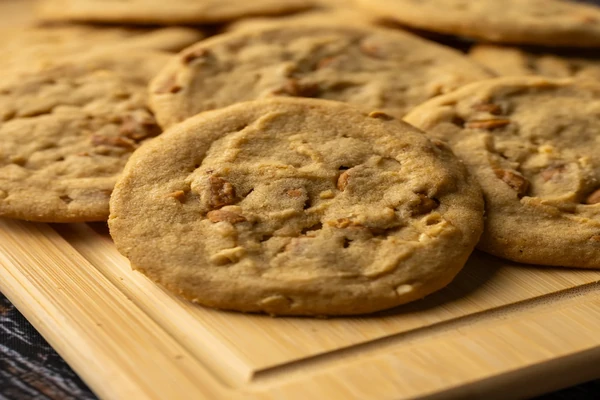
When selecting a cookie fundraising program, organizations must carefully evaluate their volunteer capacity and storage facilities. For instance, cookie dough fundraising remains highly popular because frozen dough has an extended shelf life, allowing families to bake fresh cookies at their convenience. However, this model requires careful coordination, as the product must remain frozen during delivery and distribution. Volunteers must arrange for refrigerated storage or coordinate a rapid pickup window to prevent thawing. Despite these logistical demands, the high profit margins and the irresistible appeal of warm, fresh-from-the-oven cookies make it a highly rewarding endeavor for many school groups and sports leagues.
Profit margins and payout structures are critical considerations for any nonprofit. These can vary significantly based on the program type, volume of sales, and the specific vendor. For instance, some cookie dough fundraisers typically offer profit margins ranging from 30% to 55%, with higher percentages often tied to larger sales volumes. Companies like Cookie Plug boast impressive returns, allowing organizations to keep up to 60% of sales for their cause, particularly with their tiered commission structure for cookie dough buckets. Really Good Cookies also offers competitive margins, ranging from 20% to 50% depending on the program chosen.
The Girl Scout Cookie Program, renowned as the largest girl-led entrepreneurial program in the world, demonstrates another model. Troops can earn between $0.65 and $0.75 per package under the Traditional Proceed Plan, with higher earning potential-up to $1.25 per package-for those achieving a high Per Girl Average (PGA) under the Higher Proceed Plan. These varying structures allow nonprofits to select a program that best aligns with their fundraising goals and volunteer capacity. Eligibility typically extends to a wide range of nonprofit entities, including educational institutions, clubs, sports teams, and charitable organizations, often requiring a W-9 form for tax purposes.
Modern Gifting: Sharing Sweetness Across the Miles
In our increasingly interconnected world, the tradition of sharing sweetness has expanded beyond local communities. Modern gifting embraces the ability to send long-distance care packages, express corporate appreciation, or surprise loved ones with birthday treats, all facilitated by nationwide delivery services. This evolution has opened new avenues for nonprofits to broaden their fundraising reach, connecting with supporters far beyond their immediate geographic area. The convenience of online ordering and direct shipping has transformed how people give and receive gifts, making it easier than ever to spread joy-and support a cause-across state lines.
Curating the Perfect Preordered Cookie Assortment
The appeal of preordered cookie assortments lies in their customizability and exclusivity. Donors can often select specific flavors, ensuring their gift perfectly matches the recipient’s preferences. This option is particularly attractive for corporate gifting or special occasions where a personalized touch is valued. Preordering also offers a streamlined process for nonprofits, allowing them to gauge demand and manage inventory more efficiently.
When considering a diverse selection for your fundraiser, popular cookie flavors often include:
- Classic Chocolate Chip
- Rich Peanut Butter
- Sweet Sugar Cookies
- Zesty Lemon Cookies
- Spiced Snickerdoodle
- Fruity Strawberry
Offering a curated selection enhances the perceived value of the fundraiser, encouraging larger orders and repeat customers. Exploring various fundraising options can help organizations pinpoint the best assortment for their audience.
To maximize the impact of a preordered cookie campaign, nonprofits are increasingly offering specialized options that cater to modern dietary preferences. Including gluten-free, dairy-free, or nut-free alternatives ensures that no potential supporter is excluded due to dietary restrictions. Furthermore, custom packaging plays a crucial role in elevating the gifting experience. Beautifully designed tins, eco-friendly boxes, and personalized gift tags can transform a simple box of cookies into a premium corporate gift or a heartfelt holiday present. By focusing on these presentation details, organizations can justify a higher price point, increasing their overall profit margins while providing donors with a product they are proud to share.
Pre-Baked Perfection: No Mess, Just Memories
One of the most significant advancements in cookie fundraising is the rise of pre-baked options. Unlike traditional cookie dough sales that require baking at home, pre-baked cookies offer unparalleled convenience: zero baking required. This ready-to-eat format ensures that supporters receive a perfectly baked product, saving them time and effort. For nonprofits, this model often simplifies logistics, as there’s no need to manage frozen dough or provide baking instructions. Companies like Otis Spunkmeyer, for example, emphasize the simplicity and profitability of their programs, often leveraging professional fundraising partners to reduce volunteer workload.
Here’s a comparison of common cookie fundraising models:
Feature Pre-Baked Cookies (Buy-and-Resell) Cookie Dough (Tubs/Pre-portioned) Order Forms (Mixed) Online/Digital Sales (Ship-to-Home) Ease for Buyer High (ready-to-eat) Moderate (requires baking) High (convenient ordering, but may require pickup) High (direct shipping to home) Ease for Seller High (no order-taking, direct sale, immediate gratification) Moderate (order-taking, distribution of frozen product) Moderate (order-taking, collection, bulk order, distribution) High (link sharing, automated orders, often direct ship) Reach Local (in-person events, booths) Local (in-person order taking) Local (in-person order taking) Wide (national, international if available) Profitability Varies (e.g., Really Good Cookies 20-50%) Good (e.g., 30-55% for many programs, Cookie Plug up to 60%) Varies (depends on product, similar to dough or pre-baked) Varies (can be lower due to shipping costs, but higher volume) Logistics Simple (storage of finished product, direct handover) Complex (frozen storage, organized distribution) Moderate (order aggregation, bulk delivery, individual sorting) Simple (vendor handles shipping, minimal volunteer effort) Upfront Costs Often low or none (consignment, or pay after sales) Often none (order-taker model) Often none (order-taker model) None (digital platform, direct payment) Safety High (direct sales, no door-to-door for distribution) Moderate (door-to-door sales for orders, distribution) Moderate (door-to-door sales for orders, distribution) High (online transactions, no physical contact required) For organizations seeking a truly streamlined experience, the pre-baked model, especially with options for direct shipping, can be a game-changer. It minimizes the need for volunteers to handle inventory, collect money, or coordinate complex distribution schedules. This allows groups to focus more on their mission and less on the operational intricacies of a fundraiser. Furthermore, companies often provide ready-made marketing assets, simplifying the promotion process. To explore more about these diverse approaches, one might delve into various fundraisers available today.
The logistics of nationwide shipping have also seen remarkable advancements, making pre-baked cookie fundraising more viable than ever. Modern packaging techniques, such as vacuum sealing and using food-grade moisture absorbers, ensure that cookies arrive at their destination tasting as fresh as the day they were baked. Sturdy, corrugated shipping boxes and protective inserts prevent breakage during transit, maintaining the visual appeal of the treats. Additionally, integration with digital shipping platforms allows nonprofits to automatically generate tracking numbers for donors, providing transparency and peace of mind. This seamless integration of technology and baking craftsmanship has effectively removed the geographical barriers to fundraising, allowing a local school band or animal shelter to receive support from donors across the country.
Brightening Days with Zesty Lemon Cookies
Among the myriad of cookie flavors, zesty lemon cookies stand out as a refreshing and delightful option. Their bright, citrus flavor offers a pleasant contrast to richer, more traditional choices, making them a popular addition to any cookie assortment. I find that these cookies, often described as “sunshine in a box,” are particularly appealing for spring and summer fundraisers, or simply to brighten someone’s day with a cheerful treat. Their vibrant taste can capture attention and encourage sales, providing a unique selling point for nonprofits looking to diversify their offerings.




Comments